All Categories
Featured
Table of Contents
The ILAW International Lawyers Assisting Employees library concentrates on global labor law. It contains thousands of cases, reports and articles, and news covering significant legal advancements around the globe.
The U.S. Department of Labor (DOL) administers and implements more than 180 federal laws. These requireds and the policies that implement them cover numerous workplace activities for about 165 million workers and 11 million workplaces. Following is a short description of much of DOL's principal statutes most frequently suitable to companies, task applicants, workers, retirees, specialists and beneficiaries.
For authoritative info and referrals to fuller descriptions on these laws, you must seek advice from the statutes and policies themselves. The Fair Labor Standards Act recommends requirements for incomes and overtime pay, which affect most private and public employment. The act is administered by the Wage and Hour Department. It needs companies to pay covered staff members who are not otherwise exempt at least the federal base pay and overtime pay of one-and-one-half-times the regular rate of pay.
For agricultural operations, it prohibits the employment of children under age 16 throughout school hours and in specific tasks considered too unsafe. The Wage and Hour Division also imposes the labor standards provisions of the Immigration and Citizenship Act that use to aliens authorized to operate in the U.S. under specific nonimmigrant visa programs (H-1B, H-1B1, H-1C, H2A).
Nearshore Vs Traditional Nearshoring for 2026
Safety and health conditions in most personal markets are managed by OSHA or OSHA-approved state programs, which also cover public sector employers. Employers covered by the OSH Act must adhere to OSHA's policies and safety and health standards. Employers likewise have a general responsibility under the OSH Act to supply their workers with work and a workplace devoid of acknowledged, severe hazards.
Compliance assistance and other cooperative programs are likewise available. If you worked for a you need to get in touch with the for the state in which you lived or worked. The U.S. Department of Labor's Workplace of Workers' Compensation Programs does not have a role in the administration or oversight of state employees' compensation programs.
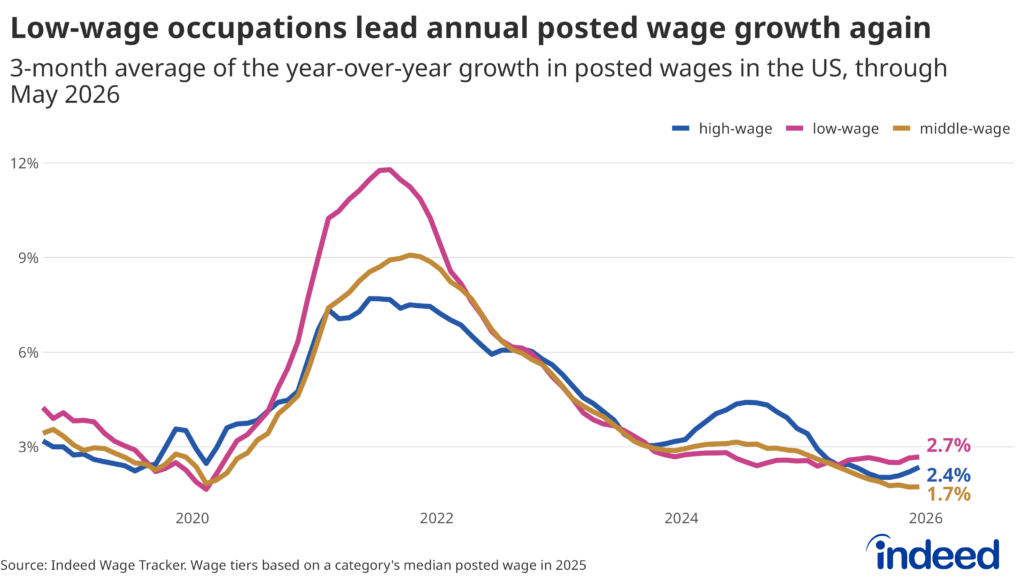
Professional Assessment of Labor Market Dynamics for 2026The Energy Worker Occupational Health Problem Payment Program Act is a payment program that supplies a lump-sum payment of $150,000 and prospective medical benefits to staff members (or specific of their survivors) of the Department of Energy and its contractors and subcontractors as an outcome of cancer triggered by exposure to radiation, or particular health problems triggered by exposure to beryllium or silica sustained in the performance of task, along with for payment of a lump-sum of $50,000 and potential medical advantages to individuals (or specific of their survivors) identified by the Department of Justice to be qualified for settlement as uranium employees under section 5 of the Radiation Exposure Settlement Act.
8101 et seq., establishes a comprehensive and exclusive workers' payment program which pays settlement for the impairment or death of a federal worker arising from injury sustained while in the performance of task. FECA, administered by OWCP, offers advantages for wage loss settlement for total or partial special needs, schedule awards for permanent loss or loss of usage of defined members of the body, related medical costs, and vocational rehab.
The statute likewise offers month-to-month advantages to a deceased miner's survivors if the miner's death was because of black lung illness. The Staff Member Retirement Earnings Security Act (ERISA) manages employers who provide pension or well-being advantage strategies for their workers. Title I of ERISA is administered by the Staff Member Advantage Security Administration (EBSA) and enforces a wide range of fiduciary, disclosure and reporting requirements on fiduciaries of pension and well-being benefit strategies and on others having transactions with these strategies.
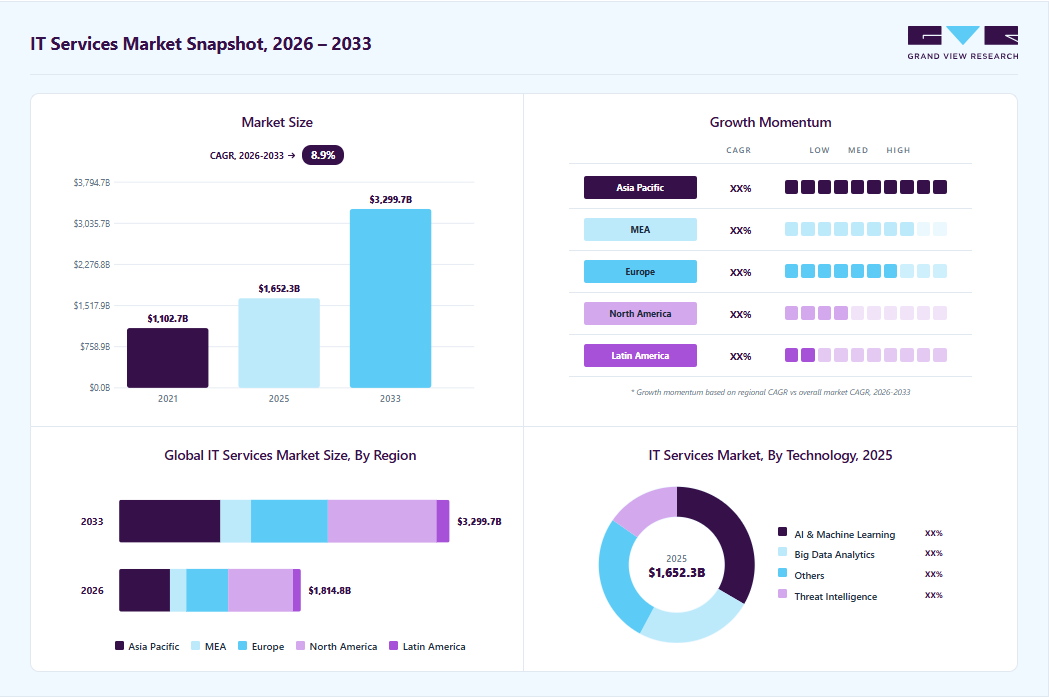
Enterprise Process Refinement in the Post-Expansion Landscape
Under Title IV, certain companies and strategy administrators should fund an insurance coverage system to secure certain sort of retirement advantages, with premiums paid to the federal government's Pension Benefit Warranty Corporation. EBSA likewise administers reporting requirements for extension of health-care arrangements, required under the Comprehensive Omnibus Budget Plan Reconciliation Act of 1985 (COBRA) and the healthcare mobility requirements on group strategies under the Health Insurance Coverage Portability and Accountability Act (HIPAA).
It safeguards union funds and promotes union democracy by needing labor organizations to submit annual financial reports, by needing union officials, companies, and labor experts to submit reports relating to certain labor relations practices, and by establishing standards for the election of union officers. The act is administered by the Office of Labor-Management Standards.
Remedies can include job reinstatement and payment of back salaries. OSHA enforces the whistleblower defenses in the majority of laws. Specific persons who serve in the militaries have a right to reemployment with the employer they were with when they went into service. This includes those called from the reserves or National Guard.

Latest Posts
Scaling the Global Capability Center Strategy for America
Top Growth Strategies for Launching America GCC Hubs
Reviewing 2026 International Labor Dynamics